Loading...
Serving Burlington, VT and surrounding areas. (802) 307-0462
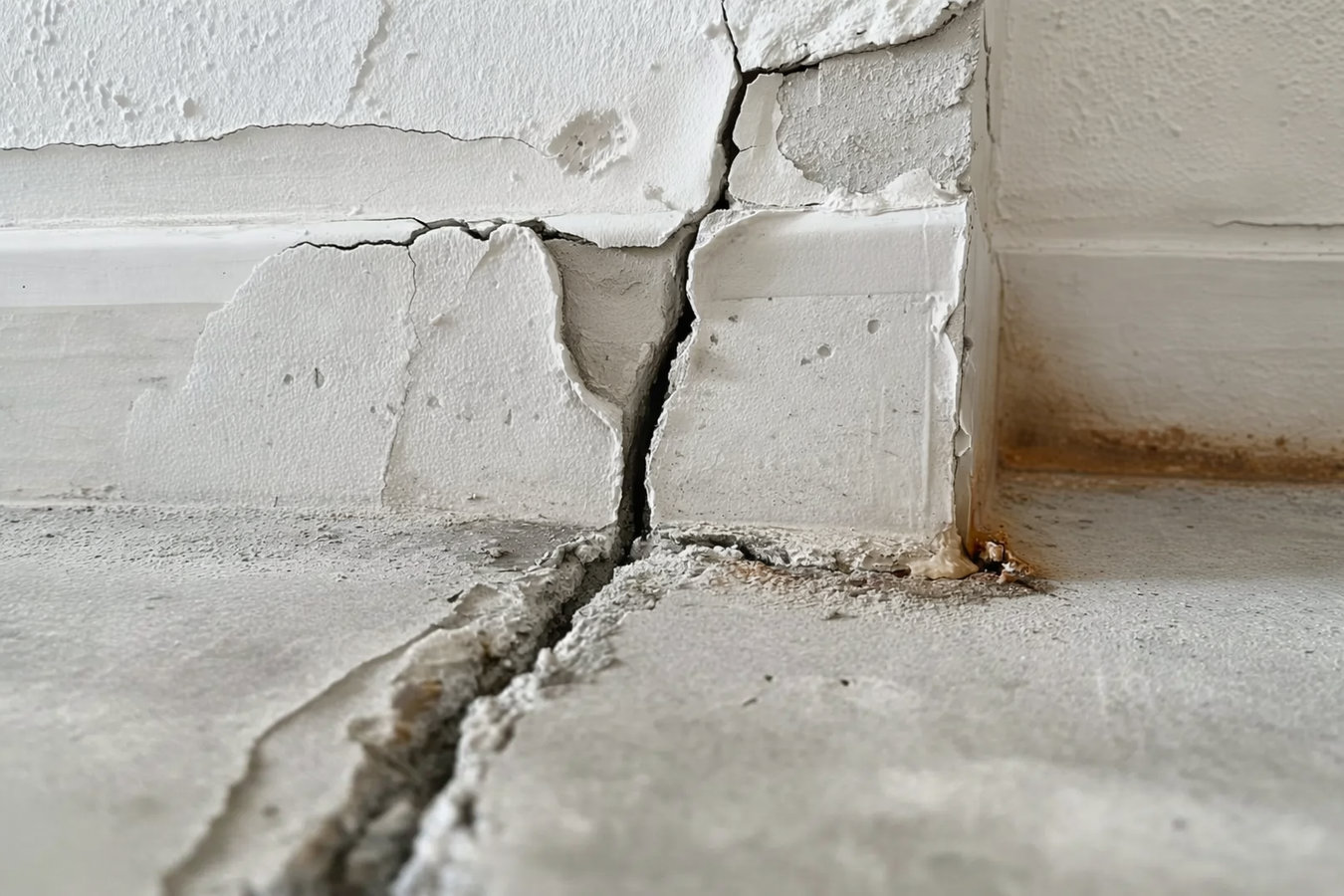
A sunken or uneven foundation does not have to mean a full replacement. We lift settled slabs back into position using methods built for Burlington winters and Champlain Valley soils.
Foundation raising in Burlington lifts a sunken or uneven concrete slab back to its original level position by pumping material into the voids beneath it - most residential jobs take one to two days and leave the slab intact rather than requiring demolition.
Burlington homeowners face a specific challenge: the ground here cycles through more than 150 freeze-thaw events every year. Each cycle pushes soil upward when it freezes and lets it drop back down when it thaws. Over years, that constant movement erodes the support beneath a slab - and on Burlington's clay-rich Champlain Valley soils, which hold water far longer than sandy ground, the problem accelerates after every wet spring. Foundation raising addresses the result of that movement without the cost and disruption of a full slab replacement.
If your foundation has settled to the point where replacement is the better option, our slab foundation building service handles new pours with the depth and mix Vermont conditions require.
When a foundation shifts, the frames above it shift too, and doors or windows that used to open smoothly start to stick or jam. This is one of the earliest, most reliable signs that something is moving underneath your home. If it happens in spring - right after the ground thaws - it is worth having a contractor look before the problem worsens.
Walk the outside of your home and look where the foundation meets the siding above it. A new or growing gap means the foundation has dropped in that area. In Burlington's older neighborhoods, decades of freeze-thaw movement make this kind of settling common - and it is very fixable when caught early.
Small hairline cracks in drywall are normal, but diagonal cracks running from door-frame corners toward the ceiling are a specific warning sign of foundation movement. These cracks form because the wall is being pulled in two directions as the foundation shifts. If they appear or widen after a wet winter or spring, it is time to call a contractor.
If water sits against your foundation wall for more than a day after heavy rain or spring snowmelt, that water is slowly eroding the soil support beneath your slab. Burlington gets significant spring runoff, and homes without good grading are especially vulnerable. Pooling water is not just a drainage problem - it is an early warning that foundation movement may follow.
We lift settled concrete foundations using two proven methods: mudjacking, which pumps a cement-and-soil slurry under the slab, and polyurethane foam injection, which uses a lightweight expanding foam to fill voids and raise the concrete. Both involve drilling small access holes through the slab, injecting material, and patching the holes when the work is done. We choose the method based on your specific situation - foam is lighter and cures faster, while mudjacking is often the better value for larger areas. When the slab needs structural support below it, our concrete footings work ensures the foundation has the deep anchor it needs.
Every foundation raising job we do includes a drainage assessment. Burlington's clay-heavy soils hold water long after rain or snowmelt, and a lift that does not address the water issue is likely to need repeating. We tell you honestly what we find and what you need to change so the repair lasts - not just what it takes to close the job. See also our concrete cutting service, which can open drainage channels or remove damaged slab sections as part of the same project.
A proven, cost-effective method for larger areas - pumps a grout mix under the slab to fill voids and restore level ground.
Lightweight foam that expands fast and cures in minutes - a strong choice when load-bearing capacity and speed both matter.
Grading and drainage improvements that address the water issue causing the settlement - so the lift stays in place.
Burlington sits on Champlain Valley lacustrine soils - fine-grained, clay-rich deposits left behind by the ancient Champlain Sea. These soils absorb water slowly and hold it longer than sandy ground, which makes them especially prone to swelling, compressing, and shifting under a foundation. A large share of Burlington's housing stock - including much of the Hill Section, Old North End, and South End - was built before 1950 on foundations that were not designed for today's drainage expectations. That combination of old construction and difficult soil is the main reason foundation settling is so common here, and why addressing the drainage situation alongside the lift is critical.
The seasonal pattern matters too. Burlington homeowners typically discover foundation problems in April and May, after spring snowmelt saturates the soil and the damage from winter freeze-thaw cycles becomes visible. That same period is when contractors are in highest demand. Homeowners in South Burlington and Winooski face the same soil and climate conditions, and we serve both communities on the same schedule as Burlington proper.
Tell us what you are seeing - sticking doors, visible gaps, sloping floors - and we schedule a free on-site assessment. We ask a few questions upfront to help us understand the scope before we arrive. You pay nothing for the visit and commit to nothing.
We walk the property with you, examine the affected area, and look for what caused the sinking - poor drainage, soil erosion, or years of freeze-thaw movement. We explain what we find in plain language and deliver a written estimate before any work begins.
Structural foundation work in Burlington requires a building permit. We handle the application - you do not have to navigate that process yourself. The permit adds a few business days to the start timeline, and the fee is included in your estimate.
The crew drills small holes through the slab, pumps material underneath to fill voids and raise it to level, then patches the holes and cleans up. Most jobs are done in one to two days. You will receive clear instructions on when the surface is safe to use again.
Free on-site estimate. We explain what we find before quoting anything. No obligation.
(802) 307-0462Burlington's clay-heavy Champlain Valley soils hold water long after rain or snowmelt, and a repair that ignores the drainage situation is a temporary fix at best. We assess the water issue every time and tell you plainly what needs to change so the lift lasts.
Burlington averages over 150 freeze-thaw cycles per year - more than most U.S. cities. We select lifting methods and materials that perform in a northern climate, not just the conditions you see in warmer states. That local knowledge shows up in how long repairs hold.
We pull every required permit for structural foundation work in Burlington. A city inspector reviews the completed job, which gives you independent confirmation it was done correctly. That documentation matters when you eventually sell your home.
Every estimate we provide itemizes the lifting method, patching, permit fees, and any drainage work in writing - before anyone picks up a drill. The International Concrete Repair Institute sets professional standards for this type of work, and we follow them.
Burlington winters are hard on foundations, and the contractors who do this work well are the ones who understand both the lifting technique and the underlying conditions that caused the problem. The International Concrete Repair Institute sets professional standards for concrete repair work - we build to those standards on every job.
Precision saw cuts for damaged sections, drainage channels, or structural openings - diamond-blade work sized for your project.
Learn MoreNew concrete slabs poured with the right mix, reinforcement, and depth for Burlington soil and frost conditions.
Learn MoreBurlington's freeze-thaw season arrives earlier than most homeowners expect - locking in your repair date now means one less thing to worry about before the ground freezes again.