Loading...
Serving Burlington, VT and surrounding areas. (802) 307-0462
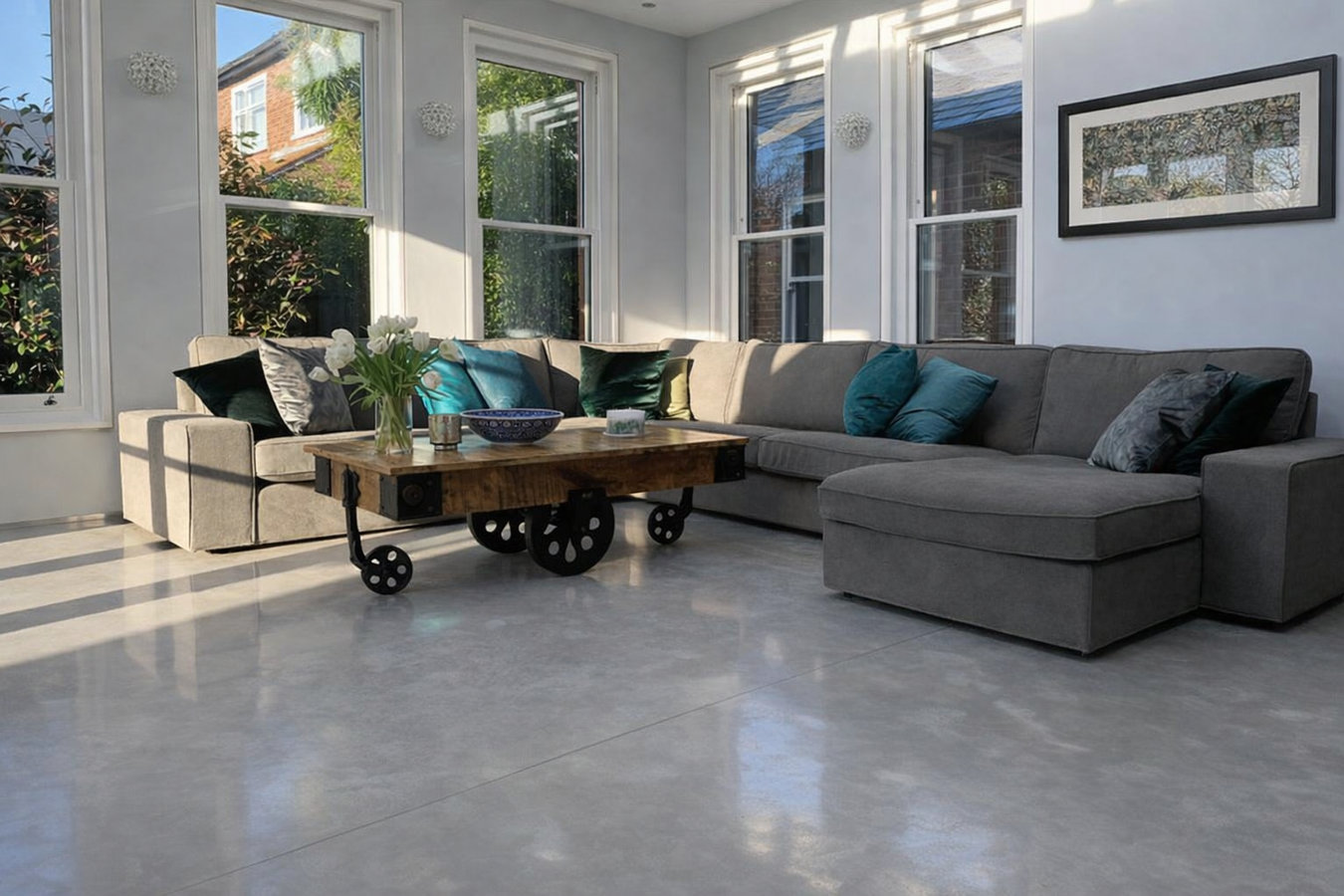
Crumbling concrete, bare dirt, or a damp basement floor that gets worse every spring - we install new concrete floors built for Burlington's freeze-thaw climate and the older foundation conditions common in this city.
Concrete floor installation in Burlington, VT starts with removing old material, compacting the subbase, laying a moisture barrier, and pouring the concrete in one continuous session - most residential garage and basement jobs are completed in one to two days on-site, with the space usable for normal foot traffic within 48 hours.
Burlington's freeze-thaw cycle is one of the harshest in the region, and a large share of the city's homes were built before 1960 - many with basements that were never intended as finished living spaces. That combination means two things: the concrete mix and curing process matter more here than in a warmer climate, and the prep work under the floor is often where older Burlington homes hide problems. A good contractor will assess what is actually there before pouring anything.
If your project involves the garage specifically, our garage floor concrete service covers the thicker slabs and salt-resistant sealing that Vermont garage floors require.
If your basement floor is still unpoured dirt, or if the existing concrete is breaking apart in chunks underfoot, it is past time for a new floor. Bare dirt floors allow moisture and cold air to move freely into your living space - a real comfort and air quality issue in Burlington's damp winters.
Small hairline cracks in concrete are common and usually harmless. But if cracks have grown wider or longer since last winter, Burlington's freeze-thaw cycle is doing damage. Water gets into a small crack, freezes, expands, and makes the crack bigger - season after season until the floor needs replacement.
If you notice puddles forming after a heavy rain or during spring thaw, the floor either was not sloped correctly when it was poured or the surface has settled unevenly over time. Standing water accelerates concrete deterioration and creates a slip hazard - and in Burlington, a floor that drains poorly will keep getting worse.
Walk slowly across your concrete floor and listen. If certain areas sound dull or feel slightly springy underfoot, the concrete has separated from the base beneath it - called delamination. This usually means the original pour did not bond properly to the subbase, or the subbase has shifted. Hollow spots will eventually crack and collapse under weight.
We pour new concrete floors for garages, basements, utility spaces, and workshops throughout Burlington and the surrounding area. Every job starts with a site assessment - we look at the existing base, check for drainage or moisture issues, and tell you what prep work is actually needed before the pour. For basement spaces that connect to a pool area or outdoor concrete work, our concrete pool decks service handles the exterior surfaces at the same time.
Every floor we install includes a properly compacted gravel subbase, a moisture barrier where the application calls for it, and concrete thickness matched to the intended use - a floor for light foot traffic is poured differently than one that will hold vehicles or heavy equipment. After curing, we can apply a penetrating sealer that protects the surface from Burlington's road salt and spring moisture. The Portland Cement Association and the American Concrete Institute both publish guidance on best practices for residential concrete floor installation.
Four- to six-inch slabs with salt-resistant sealing - built for Vermont winters and daily vehicle loads.
New concrete over compacted gravel and a moisture barrier, designed for Burlington's older foundation conditions.
Thicker, smoother pours for spaces that will see heavy equipment, foot traffic, or long-term storage use.
Burlington's housing stock is old. A large share of homes in the city were built before 1960, and many still have basements that were never intended as finished living spaces - original dirt floors, stone foundations, and drainage systems that were designed for a different era. When you add Burlington's climate to that picture, where the ground freezes deep and spring thaw pushes groundwater up through clay soils, a concrete floor that was not designed for these conditions will show problems quickly. This is not a warning you will hear from contractors who mostly work in warmer parts of the country.
We install floors for Burlington homeowners and for homeowners in the surrounding communities we serve, including Colchester and Williston, where the same freeze-thaw conditions apply. The right approach to a concrete floor in this region is the same regardless of which town you are in.
We ask a few basic questions and schedule a free visit to see the space in person. Most Burlington contractors offer this, and it is worth taking them up on - a phone quote without seeing the existing base is guesswork. Expect us to respond within one business day.
We look closely at the existing base, check for drainage issues, and determine what prep work the space needs. In Burlington's older homes, this step sometimes turns up surprises - and we tell you about them before any work starts, not after.
The crew compacts the gravel subbase, lays the moisture barrier, and sets up forms before the pour. The actual pour usually happens in one continuous session to avoid seams. Workers spread and finish the concrete surface before it sets.
You can walk on the floor after 24 to 48 hours, but keep heavy items and vehicles off it for at least a week. Full curing takes about 28 days. We walk you through the maintenance schedule and coordinate any permit inspection so you do not have to chase it yourself.
Free on-site estimate. Permits handled. Responds within one business day.
(802) 307-0462Burlington averages more than 150 freeze-thaw cycles per year. We use concrete mixes and curing practices designed for Vermont's climate so your floor does not show cracks by its first spring. The mix your contractor uses matters more here than it does in a warmer state.
A large share of Burlington's homes were built before 1960, and many have basements with original dirt floors, deteriorating bases, or drainage patterns that were never engineered. We assess what is actually there before we pour - so the floor we install does not start failing the first time the ground shifts in spring thaw.
Unpermitted concrete work is one of the most common reasons Burlington home sales get complicated at closing. We pull required permits from the City of Burlington's Planning and Zoning office before we start and coordinate the inspector's visit - so your new floor is an asset, not a liability.
Spring in Burlington means saturated ground, and a basement floor without a vapor barrier underneath will show it - damp spots, mineral deposits, and a musty smell that never goes away. We install a moisture barrier on every applicable pour so groundwater stays where it belongs.
Getting a concrete floor right in Burlington requires knowing what the city's climate and housing stock actually demand. We bring that local understanding to every job - and we put the scope, the process, and the price in writing before the crew shows up.
Slip-resistant pool surrounds built to handle Burlington's seasonal moisture and freeze-thaw stress.
Learn MoreThick, sealed garage slabs that stand up to Vermont winters, road salt, and heavy vehicle loads.
Learn MoreContractors book up by late spring every year - reach out early so your project is scheduled, permitted, and ready to pour when the weather is right.